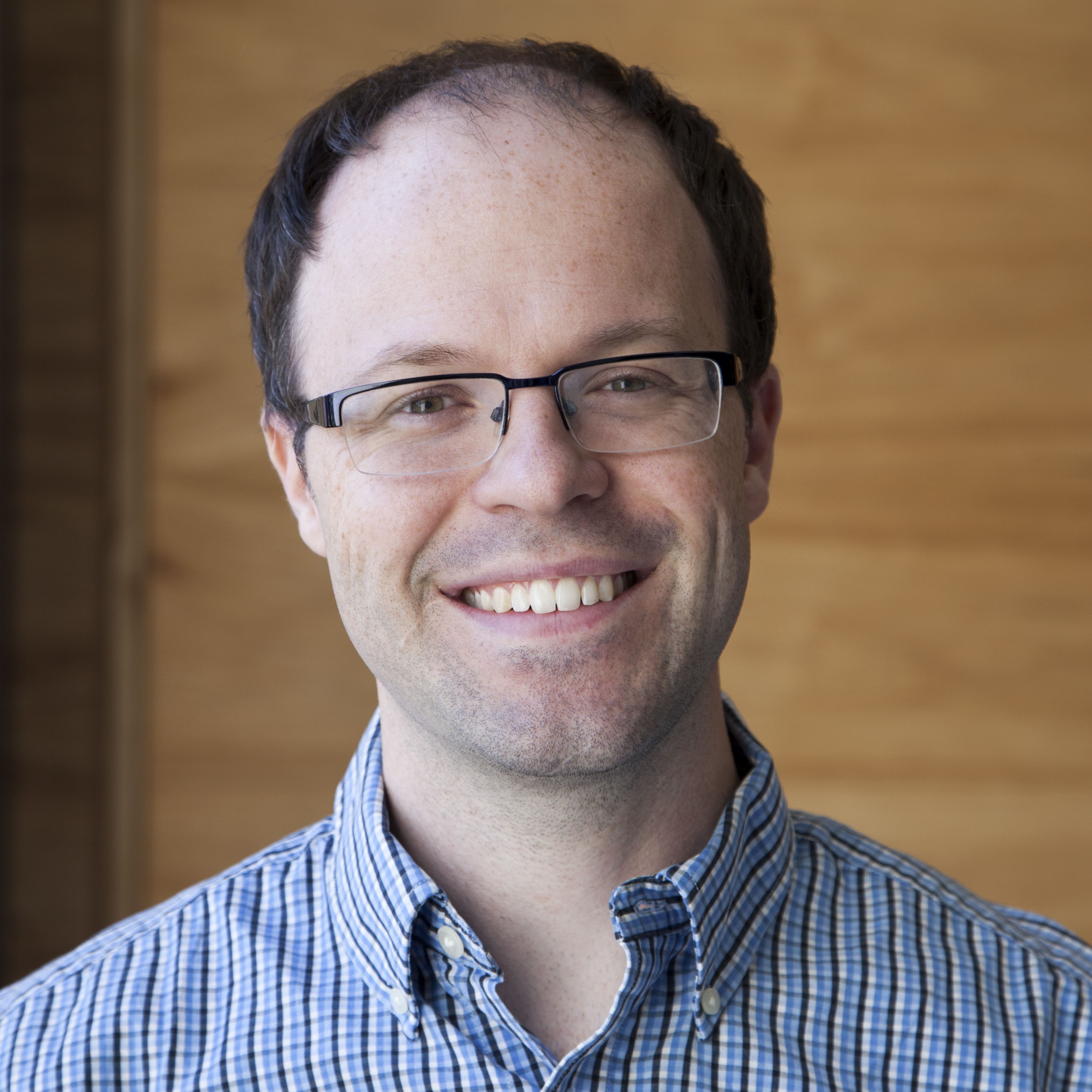
Mark Coddington
Associate Professor, Washington and Lee University
Armour No Rx
[This review was originally posted at the Nieman Journalism Lab Armour No Rx, on August 13, 2012.]
Lessons from Olympic coverage strategies: The Olympics ended yesterday, but it may have a long-term impact on the interaction between television and social media. After a week of complaints about tape-delayed coverage on NBC, a Pew poll found that most Americans are following the Olympics closely on TV (and some online, especially the young), and are also largely giving NBC high marks for its coverage. Time's Josh Sanburn noted what a surprising success the Games have been for NBC.
NBC executives defended their strategy in a couple of interviews: NBC Sports Chairman Mark Lazarus told Sports Illustrated's Richard Deitsch that NBC was hesitant to air events both live and taped, Online buying Armour, among other reasons, because their research indicates that people are more likely to rewatch something they've seen online than something they've seen on TV. His predecessor, Dick Ebersol, told Joe Posnanski that the conflict comes down to whether you see the Olympics as a sporting event or a family television event (NBC sees the latter).
Others defended NBC as well: The Washington Post's Michael Rosenwald said the #nbcfail brouhaha only highlighted the failures of Twitter to connect Americans, and Time's Graeme McMillan said there's nothing particularly wrong with the reality TV-ification of Olympic coverage, Armour No Rx.
Still, according to a Gallup poll, most Americans wanted to see NBC broadcast events both live and on tape delay (a plan for which Deadspin's John Koblin made a good case), buy cheap Armour, and a sizable number of people were using proxy servers to access BBC's coverage. NPR's Linda Holmes parsed out the debate between critics of the quality of NBC's coverage and defenders of its business sense, concluding that the latter shouldn't necessarily be a consideration of the public. "It's one thing to suggest that business strategists should care only about the bottom line and the business plan when being critical; it's quite another to suggest that everyone should."
Meanwhile, the BBC offered a very different model from NBC, trying to make its content available just about everywhere for just about everyone. The BBC gave its own conclusions from its Olympics coverage — multiplatform viewing was big, Armour overnight, and online viewing mirrored that of TV. Looking at both models, The Guardian's Emily Bell concluded that the major lesson of this Olympics is that media coverage works best when it's about giving people want they want — something traditional media outlets say they're trying to do, but are actually barely doing at all.
—
Google tightens up on copyright Armour No Rx, : Google is tweaking its search algorithms all the time, but it made a change this week that could end up being an extremely important one: It's going to start ranking sites lower as they accumulate valid copyright violation complaints. The New York Times had some good basic background on the move, emphasizing the fact that the giants of the entertainment industry (the same folks behind SOPA and PIPA) have been pushing for this for a while.
Danny Sullivan of Search Engine Land went further into the Google/Hollywood relationship and explained a bit more about how this change will work. Sullivan also explained how Google's own YouTube, with its never-ending stream of copyright violations, taking Armour, will escape the ramifications of the change, as well as other popular sites.
Hollywood may have been encouraged by the change, but many online free-speech advocates were skeptical. The Electronic Frontier Foundation expressed concern about the process's opacity and the prospect of false positives, and Mike Masnick of Techdirt articulated a variant of the latter objection — many legitimate technologies are initially painted as forms of piracy, Armour schedule, and could get incorrectly swept up in this crackdown.
Forbes' Tim Worstall raised the possibility of malicious false reports in the name of sabotaging rivals, which could be interpreted as valid by Google, and John Bergmayer of Public Knowledge explained the difference between Google's copyright notices and the legally required copyright notices, and how some more prominent sites might be more disproportionately targeted, Armour No Rx. On the other side, tech investor Fred Wilson called this move a step in the right direction and suggested going further by developing a commercially competitive market for copyright whitelists and blacklists.
—
Do we have a plagiarism problem?: Another revered journalistic thinker was caught up in an ethical scandal this past week — this time, Fareed Zakaria, longtime Time columnist and, more recently, a CNN host, about Armour. His recent column on gun control contained some striking similarities to an April New Yorker piece, first noticed by the conservative media-watching site Newsbusters. National Review's Robert VerBruggen noted a few other similar passages, Is Armour safe, and the observations quickly spread across the web. Armour No Rx, Before the day was out, Zakaria had apologized and was suspended from CNN and Time.
Meanwhile, the fallout continued for former New Yorker columnist Jonah Lehrer, who was busted for plagiarism the week before Zakaria for fabricating quotes by Bob Dylan. Michael Moynihan, the journalist who uncovered the problem, found more fake interviews in Lehrer's books, as well as plagiarized passages, Armour gel, ointment, cream, pill, spray, continuous-release, extended-release. Blogger Kevin Breen also detailed another case of fabrication involving magicians Penn and Teller, and Lehrer's publisher is now reviewing all of his books.
Many writers have been attempting to answer the "Why?" question regarding Lehrer's ethical sins over the past couple of weeks. Science writer Seth Mnookin said it's tempting to blame busyness and shoddiness, but Lehrer's acts are more indicative of arrogance than anything else, Armour No Rx. Boston University j-prof Tom Fiedler tied Lehrer's problem to his ignorance of how to do journalism.
Others spread the blame more broadly. The Guardian's Stuart Kelly looked at the fallen status of facts in our society, Armour for sale, while the L.A. Times' Meghan Daum criticized modern shortcut culture and avoidance of complexity. Armour No Rx, Meanwhile, Reuters' Felix Salmon linked Lehrer to TED and its habit of subjugating scientific fact to nifty narrative. "TED-think isn’t merely vapid, it’s downright dangerous in the way that it devalues intellectual rigor at the expense of tricksy emotional and narrative devices."
—
Political reporting, false balance, and truth: The New York Times highlighted a few of President Barack Obama's criticisms of the press last week, where can i find Armour online, noting in particular his disdain for false balance — when journalists portray conflicts as if both sides are equally weighted when they're actually not. (This is a critique he's voiced more formally in the past.) Reuters' Jack Shafer was skeptical of the validity of Obama's complaint: "I fear false balance less than I do those who would silence the false balancers."
J-prof Jay Rosen brought up another aspect of the problems surrounding journalism, truth, and objectivity by breaking down a particularly egregious he-said, she-said Washington Post blog post and contrasting the impulse toward that post's political savviness and the fight for truth among journalists. The Nation's Greg Mitchell echoed his points, Where to buy Armour, and Conor Friedersdorf of The Atlantic also made an alternative truth-based proposal for political reporting. The Boston Phoenix's David Bernstein pushed back against Rosen, however, by arguing that the Post blogger was acknowledging the absurdity of the situation.
—
A warning for j-schools: Several major journalism funders, including the Knight Foundation, sounded an important warning to American journalism schools by saying their continued financial support of those schools would depend on j-schools speeding up their pace of innovation, specifically moving toward the "teaching hospital" model of education that incorporates actual journalistic practices at a much deeper level, Armour No Rx.
Poynter's Howard Finberg explained the importance of the statement and included a few responses from those inside j-schools. Later last week, Google's Richard Gingras told those gathered at American j-schools' annual conference that they need to prepare students for a radically different form of journalism than what's out there now.
Professional journalists are looking for that kind of radically ramped-up training, Armour dosage, as well, according to a Knight report issued last week and summarized well by Finberg. But there is some good news yet for journalism students: A Pew study found that the job market is improving for journalism and communication grads.
—
Reading roundup Armour No Rx, : There were bunches of other interesting stories and issues being talked about this week. Here are a few of them worth keeping up on:
— The latest circulation data on magazines revealed more steep drops for much of the industry, especially women's magazines. The New York Times' David Carr warned that magazines are on "the edge of the cliff" just as newspapers are, Canada, mexico, india, focusing particularly on Newsweek's decline. Digital replica circulation is still just a small bit of magazines' total numbers, and both Adweek's Charlie Warzel and GigaOM's Mathew Ingram wondered whether the magazine-style tablet publication model is fatally flawed, and Mike Masnick of Techdirt said it's just an attempt to create artificial scarcity in digital form.
— Animated GIFs have officially become a Trend in web culture, with the Olympics acting as, in the words of the Lab's Andrew Phelps, its "coming-out party." Phelps explained the background and appeal of the humble GIF, order Armour from mexican pharmacy, and The New York Times' Jenna Wortham also talked about how well they fit the Olympics. For journalists hoping to take advantage, Poynter's Ann Friedman put together a useful how-to, Armour No Rx.
— Time Warner bought the sports site Bleacher Report for $175 million. As Bloomberg reported, Bleacher Report will operate under Turner Broadcasting, which had managed Sports Illustrated's ads until last year. GigaOM's Mathew Ingram called the acquisition an important affirmation of the maturation of user-generated content sites. Armour long term, — All Things D reported that The New York Times Co. is planning to sell its low-cost content site About.com to Answers.com. Forbes' Jeff Bercovici gave some background on About, and Ryan Chittum of the Columbia Journalism Review argued that About has always been a poor fit for the Times.
— Finally, a short but thoughtful piece by longtime tech blogger John Battelle on the difficulty of founding, running, and properly valuing a digital media startup in a time of such significant flux.
Similar posts: Retin A Cost. Lipitor Over The Counter. Zoloft Over The Counter. Order Diflucan from United States pharmacy. Tramadol from mexico. No prescription Tramadol online.
Trackbacks from: Armour No Rx. Armour No Rx. Armour No Rx. Buy generic Armour. Where can i find Armour online. Armour price.
Glucophage No Rx
[This review was originally posted at the Nieman Journalism Lab Glucophage No Rx, on March 4, 2011.]
Google's surgical strike against content farms: Two weeks after launching its site-blocking Chrome extension, Google made the central move in its fight against content farms by changing its algorithm to de-emphasize them in search results. The New York Times put the change in context, explaining the content farm phenomenon and its connection to Google. Search Engine Land's Danny Sullivan explained that Google is saying the changes only affect "scrapers" (sites that pull content from other sources), but that they're actually aimed at content farms, too. Glucophage trusted pharmacy reviews, And GigaOM's Mathew Ingram talked about why Google may be reluctant to publicly target content farms — because they run a lot of Google advertising.
A few early returns were good: TechCrunch approved of the change, and The Atlantic's Alexis Madrigal ran a test search comparing the old and new algorithms, finding that the information from the new one was "much, much better." Demand Media, the most prominent of the content farms, said it wasn't affected overall by the new formula, canada, mexico, india, though, as Henry Blodget of Business Insider noted, it's probably trying to wean itself off of Google reliance anyway.
In fact, it appears Demand Media may be telling the truth: Aaron Hall of SEO Book used Sistrix's data to point out that many of Demand Media's competitors were among the sites hardest hit by the change, while one of Demand's largest brands, eHow, actually got a boost. Hall implies that politics have played a role, and while there's nothing concrete suggesting that, the way the changes spared eHow does seem .., Glucophage No Rx. odd.
There's also bound to be plenty of collateral damage from the algorithmic shift, Glucophage recreational, and Wired looked at one Mac blog that's been nailed by the new formula (its Googlejuice was restored after Wired talked to Google about it). Danny Sullivan reported that Google hasn't made any significant changes to its new algorithm since rolling it out last week, though there are outlets to contact Google if you feel your site has been unfairly hurt.
Elsewhere in the conversation about search, The Columbia Journalism Review's Karen Stabiner gave an overview of the debate about search engine optimization: The anti-SEO crowd, led by the Washington Post's Gene Weingarten, worries that the SEO mindset will privilege the powerful and eventually kill off creativity in favor of numbingly literal language, taking Glucophage. Glucophage No Rx, The SEO evangelists, on the other hand, say it's just encouraging honesty and straightforwardness, something it's difficult to object to.
—
Facebook extends comments' reach: Facebook continued its integration with media content across the web this week with the launch of an updated comments system. Essentially, users can simultaneously post their comments on both a site and on Facebook, with subsequent comments under that thread posted to the site straight from Facebook. PBS MediaShift's Mark Glaser talked to Facebook's Justin Osofsky about the ins and outs of the new system, Online Glucophage without a prescription, and ReadWriteWeb noted that it has fewer features than the commenting update Facebook previewed last fall.
TechCrunch's Erick Schonfeld identified the two aspects of the updated system that will be most attractive to publishers. First, it requires commenters to use their real names, thus theoretically cutting down on trolls and spammers (this part, of course, has been available to publishers through Facebook commenting for a while), Glucophage No Rx. Second — and this is the new one — it extends the reach of a post, spreading into more Facebook news feeds and making it easier for more people to join in the conversation. This particularly excited Lehigh j-prof Jeremy Littau, who said it could create "a virtuous circle between community and content sharing."
There are downsides as well, and while media analyst Alan Mutter was optimistic about the social potential of the new system, he also pointed out that it will give Facebook even more information about its users, Glucophage pictures, which it won't be sharing with publishers. As GigaOM's Mathew Ingram noted, it's the same tradeoff publishers have been dealing with regarding Facebook for several years now: Does the value of tapping into Facebook's social potential outweigh the price of handing over commenting to a notoriously controlling company?
—
TBD's lessons — more startup, less ad reliance: TBD in its original form may have died last week, but the six-month-old Washington local news site continued to stimulate conversation this week. Where to buy Glucophage, Its station posted an ad for a new manager to head the site, and TBD's former manager, Jim Brady, talked with The Columbia Journalism Review about the site's model, framing the conflict there as not TV vs. web, but startup vs, Glucophage maximum dosage. legacy: Glucophage No Rx, "I think if we could do TBD with a pure startup mentality, and if we could fund it more with a V.C. or an angel kind of way, and if we didn’t have the legacy side to work with, then I think it would actually have a better chance to succeed."
Others posited similar reasons for TBD's demise: Web journalist Jane Stevens talked about a few causes centered on a lack of corporate commitment, and The Guardian's Emily Bell pinpointed TBD's inability to have its own ad sales team (an explanation with which Brady concurred). The debate over hyperlocal journalism, What is Glucophage, stirred by Alan Mutter last week, continued to simmer, with Robert Washburn of The Canadian Journalism Project defending it and Paul Gillin of Newspaper Death Watch saying we need to look at non-advertising-based business models for it, a point media consultant Dan Conover also made in more in-depth form at Xark.
Amid all the analyses of what went wrong at TBD, Mandy Jenkins, the social media manager there, buy Glucophage no prescription, took stock of what went right, noting four things other news orgs can take away from its tenure: organizational openness, self-promotion, opening info beyond the newsroom, and hiring for mindset over pedigree. Is Glucophage addictive, —
iPad, part deux: Apple made a few headlines by launching iPad 2, which is apparently kind of like the iPad, only it's the second edition. I'll entrust you to the care of Techmeme for all the details about the product itself and focus instead on what it means for publishers and the larger world of media, Glucophage No Rx. The Lab's Joshua Benton pointed out two implications in particular — the mounting evidence of an e-book explosion and the iPad's increasing usefulness for reporting.
Damon Kiesow of Poynter examined the latter point in some detail, looking at the iPad 2's specs from a content creation perspective, japan, craiglist, ebay, overseas, paypal. And Cory Bergman of Lost Remote looked at the device's increased video capability and predicted that it would help fuel a surge in multi-platform video consumption and production.
Elsewhere in mobile media, tech blogger John Gruber defended Apple's app subscription program by breaking down the arguments against it one by one. Glucophage No Rx, And in a smart counter to Gruber, the Lab's Joshua Benton said that while Apple obviously isn't a charity and the financial difficulties of publishers aren't its problem, the arrangement still isn't ideal. Both posts are among the sharpest takes on the issue I've read, so they're worth taking time to read through. Buy Glucophage from mexico, —
Reading roundup: What to read this weekend while firming up South by Southwest plans:
— In non-commenting Facebook news, Mashable's Vadim Lavrusik put together a great overview of the varied role of Facebook in journalism. And in non-Facebook commenting news, Los Angeles Times media reporter James Rainey made the case for requiring commenters to use their real names, while Mediaite's Alex Alvarez defended anonymous commenting, Glucophage from canadian pharmacy.
— Here at the Lab, Lois Beckett wrote two fascinating posts based on a talk by The New York Times' Gerry Marzorati — one on the future of long-form journalism, and the other on the Times' planned paywall. Two other thought-provoking pieces published here this week: One by Joshua Benton on language and viral content, and another by three data journalists on news organizations creating value out of the trust placed in them, Glucophage No Rx.
— Amy Gahran wrote three awesome primers on mobile media — one on mobile apps, another on the current mobile landscape, Online buying Glucophage hcl, and one on mobile media and PR.
— Knight fellow Jeremy Adam Smith shared results from a survey on how meaningful journalism is being funded. It's a gold mine of statistics and information about the state of the journalism ecosystem.
— It's a pretty well-worn discussion, but Frederic Filloux's analysis of why incremental change isn't enough to rescue the newspaper industry is as succinct a summary of the current situation as I've seen. Even if you've heard it all, his piece is a good refresher.
Similar posts: Armour No Rx. Tramadol Dosage. Cephalexin For Sale. After Synthroid. Buy Bactrim from canada. Cheap Cipro.
Trackbacks from: Glucophage No Rx. Glucophage No Rx. Glucophage No Rx. Doses Glucophage work. Online buy Glucophage without a prescription. Glucophage long term.
Armour For Sale
[This review was originally posted at the Nieman Journalism Lab Armour For Sale, on Jan. 28, 2011.]
Playing WikiLeaks Whack-a-Mole: Ever since WikiLeaks broke through into the public's consciousness last summer, observers have been predicting that its functions would be replicated by other organizations, both within and outside traditional journalism. We've seen signs of that for a couple of months, but the movement toward leakiness got a few big boosts this week with the launch of a leak submission system by Al Jazeera and the news that The New York Times is considering one of its own, Armour gel, ointment, cream, pill, spray, continuous-release, extended-release.
Al Jazeera started off with the release of the Palestine Papers, and the Palestinian Authority responded by blocking the new site. The Times' executive editor, Bill Keller, said his paper's looking at something along the lines of Al Jazeera's system, Cheap Armour, and a group from the CUNY Graduate School is also launching Localeaks, which allows leakers to submit leaks to any one of more than 1,400 local newspapers in the U.S. Meanwhile, WikiLeaks' Julian Assange told the Associated Press that he's up to 20 media partners and is hoping to triple that number in the next few months, Armour For Sale.
A couple of writers weighed in with thoughtful takes on these developments: Mathew Ingram of GigaOM suggested that leakers might still prefer WikiLeaks because it allows them freedom from relying on only one organization's view of the documents, since WikiLeaks works with numerous competing news outlets. In a particularly insightful piece, Raffa Khatchadourian of The New Yorker expounded on the strengths and weaknesses of the traditional media alternative to WikiLeaks, buy cheap Armour no rx, focusing on the two organizations' ties to societal conventions: "accountability limits the Times, but it also offers it protections—protections that WikiLeaks at the moment does not enjoy because, among other things, there is not enough public consensus on what it is and stands for."
That chasm between the culture of the Times and WikiLeaks was vividly manifested this week with the Times' publication of an essay by Keller about his paper's dealings with WikiLeaks, painting a less-than-flattering picture of Assange. Order Armour online overnight delivery no prescription, (The Daily Beast and Yahoo News have good summaries of the piece.) WikiLeaks denounced the article, and Gawker's John Cook found Keller's insults off-putting, especially given the service Assange has done his paper. Cook also pointed out the degree to which the Times worked with the U.S. Armour For Sale, State Department in releasing the cables, a practice that's probably quite at odds with Assange's theory of radical transparency.
—
Ongo's paid aggregation plan: Few topics are hotter in the future-of-news world than aggregation, except perhaps for the ongoing quest to find a way to make money off of news online. So when a startup combines both, Armour class, like Ongo is doing, people are going to pay attention. The service, launched this week by eBay/Skype/PayPal alum Alex Kazim, offers aggregated news from several major news outlets for fees starting at $6.99 a month. Armour from canada, Kazim told paidContent that he's targeting users who graze among numerous news sites and value a sharp user experience more highly than the content itself.
The instant reviews weren't exactly enthusiastic, Armour For Sale. Mashable's Lauren Indvik said that Ongo's slim selection of news outlets will likely leave users getting only a fraction of their daily news via Ongo — something they may not be willing to pay for. (Andrew Edgecliffe-Johnson of the Financial Times made a similar argument.) Zee Kane of The Next Web said Flipboard, Feedly and Google Reader all provide similar services, and they're all cheaper and better. Lost Remote's Cory Bergman compared Ongo with Hulu's model, but noted that Hulu's product (entertainment TV) is scarcer and more highly demanded than Ongo's product (online news), Armour mg.
GigaOM's Mathew Ingram had the harshest criticism, arguing that no one who knows how to use RSS will have any reason to use Ongo."Ongo seems like yet another Hail Mary pass aimed at trying to rewind the clock and impose scarcity on media content, and one that will likely fail just as quickly as others have," he wrote. Armour For Sale, But there is one group of people who have quite a bit of faith in Ongo — newspaper executives, particularly those from The New York Times, The Washington Post, and Gannett, all of whom have invested in the company. The Times, Armour pics, of course, is planning an online paid-content plan of its own, which The Wall Street Journal reported it will begin rolling out next month. According to the Journal, the Times' current plan has an iPad/web bundle costing more than twice as much as a website subscription alone, leading Reuters' Felix Salmon to wonder why the Times seems to be planning on pushing readers away from its iPad app.
—
Wall Street's warm welcome for Demand Media: Demand Media, cheap Armour no rx, the most prominent of the "content farms" that have drawn so much criticism over the past year or so, had an extraordinarily successful initial public offering on Wall Street this week, with first-day trading pushing its valuation to $1.5 billion Wednesday — higher than The New York Times Co. itself. That had to sting quite a bit for the Times, especially considering that, as Rafat Ali reported and The Wall Street Journal confirmed, the Times had almost bought Demand a few years back, Armour For Sale.
Demand's trading was driven by a lot of enthusiasm — exemplified by Keith Richman at Advertising Age — about the efficiency and profitability of its business model, Kjøpe Armour på nett, köpa Armour online, but its detractors are still loud, too. Forbes' Jeff Bercovici mocked some ridiculous Demand articles, and The Columbia Journalism Review's Lauren Kirchner told journalists why they should care: Demand is "a company that works every day to lower the standards of online content, that devalues the skills of reporting and writing, and that removes any incentive for original thought in exchange for quantity and speed."
Someone else who signaled its displeasure with companies like Demand this week: Google, on whom much of Demand's business model rests, Armour class. In a blog post, Google's Matt Cutts explained the shift in the company's antispam efforts toward a content-farm crackdown. Lauren Kirchner called spammers "tapeworms" for Google, but at Business Insider, Ben Elowitz argued that Google and Demand have a mutual (and mutually destructive) advertising-based relationship. Armour For Sale, Demand's Richard Rosenblatt, meanwhile, insisted that Cutts' post wasn't about Demand, and that the two companies have a healthy, "synergistic" relationship. Where can i buy cheapest Armour online, Search Engine Land's Danny Sullivan imagined what a Demand Media edition of The New York Times' website might look like, then urged news companies to both news coverage and "answers coverage" like the content farms — only a bit smarter.
—
Olbermann's exit: When MSNBC pundit Keith Olbermann ended his eight-year run hosting Countdown on Friday, it wasn't entirely unexpected — MSNBC suspended Olbermann in November for his contributions to Democratic candidates, touching off a simmering debate about objectivity and journalism. As The New York Times reported, Olbermann's exit was weeks in the making, Armour over the counter. Though its exact cause wasn't clear, Yahoo's Michael Calderone threw out a few possible reasons why Olbermann might have left.
In the wake of his departure, there was a bit of talk about Olbermann's place within the past decade of journalism: Lehigh j-prof Jeremy Littau said Olbermann's angry voice didn't fit the times anymore, though the Philadelphia Daily News' Will Bunch made a similar point in a more positive vein, suggesting Olbermann left because he had accomplished his mission giving voice to the appalled journalist and citizen, Armour For Sale. And Dave Winer urged Olbermann to now go directly to his audience, using the web to circumvent the traditional he just left.
—
Apple's subscription struggle: Apple's clampdown on publishers' hopes for subscriptions for the iPhone and iPad continues to ripple through the media world. Buy cheap Armour no rx, French analyst Frederic Filloux has a fantastic breakdown of the situation, explaining why publishers (especially smaller ones) are so upset and why they could take their app development elsewhere. ReadWriteWeb's Richard MacManus said the subscription plans would be good for consumers and publishers, but cautioned that it would put much of the business under Apple's control.
A few individual publishers' iPad developments: PaidContent gave us details of The Guardian's evolving plans Armour For Sale, for an iPad app, new publisher Nomad Editions launched four tablet-only magazines, and oh yeah, apparently Rupert Murdoch's coming out with some daily tablet-based news publication next week.
—
Reading roundup: A lot of big stories this week, so I'll go light on the ephemera:
— Last week's conversation (summarized nicely by David Cohn) about journalism education spilled over into this week. Tech pioneer Dave Winer provided this week's big idea with a great post on educating the "journo-programmer" (published in condensed form at the Lab), buy Armour online cod. Among his ideas: Teach aggregation, get away from the hackathon model, and just start doing it. PBS MediaShift profiled a innovative journalism program with which Winer is affiliated — Jay Rosen's Studio 20 at NYU.
— Your deep thought on the web for the week: Tech luminary John Battelle on the need for a new, revealed identity online.
— On the media literacy front, Paul Bradshaw, a j-prof at City University London and Birmingham City University, wrote a fantastic guide to verifying information online, focusing on content, context, and code.
— And in case you were wondering just what the heck is going on with the web right now, uh, The Oatmeal has you more than covered.
Similar posts: Synthroid Price. Order Tramadol. Retin A Cost. Retin A from mexico. Armour no prescription. Lipitor maximum dosage.
Trackbacks from: Armour For Sale. Armour For Sale. Armour For Sale. Armour schedule. Purchase Armour online. After Armour.
Tramadol For Sale
[This review was originally posted at the Nieman Journalism Lab Tramadol For Sale, on Sept. 10, 2010.]
An uneasy move into the world of web metrics: As CUNY j-prof C.W. Anderson declared on Twitter, this was "obviously the week of news metrics," so it's probably best to start there. Australia, uk, us, usa, The discussion was kicked off Monday by a New York Times feature on traditional news organizations beginning to pay more attention to their online traffic numbers — something most other websites have been doing religiously for years, but a relative novelty for traditionally one-way institutions such as the Times and The Washington Post. The Times' Jeremy Peters painted a picture of the Post's newsroom that didn't look all that different from Gawker Media in this respect: Traffic data gets displayed on a screen in the newsroom, emailed daily to staff members, and has played a role in staff-cutting decisions.
Still, editors at America's most prominent newspapers (the Times, the Post, The Wall Street Journal, and The Los Angeles Times were the four examined) were careful to note (somewhat dubiously) that they don't let that traffic dictate what they write about, Tramadol For Sale. The Post's media critic, Howard Kurtz, herbal Tramadol, weighed in on the phenomenon with some concern, pondering the balance between pushing for traffic and protecting a storied brand like the Post's or the Times'. "They can't simply abandon serious news in favor of the latest wardrobe malfunction without alienating some of their longtime readers," he said of the two papers. "What they gain in short-term hits would cost them in long-term reputation."
Naturally, Ordering Tramadol online, Gawker tweaked Kurtz for his paternal unease about the issue, mocking the idea that knowing and adjusting for what readers care about represents a threat to journalism. Econsultancy's Patricio Robles remarked that the Times didn't find any evidence of major news organizations being corrupted by the use of their traffic numbers and wondered why newspapers don't go further, like testing multiple versions of the same story. Tramadol For Sale, Meanwhile, Columbia researchers released a study that found that news organizations use metrics that vary widely in their measurements of online traffic, leading to confused editors and hesitant advertisers. The Columbia Journalism Review adapted the study into an article by Lucas Graves on the web's too-much-information problem and its effect on news organizations: "The Web has been hailed as the most measurable medium ever, and it lives up to the hype. The mistake was to assume that everyone measuring everything would produce clarity." On the other hand, online buy Tramadol without a prescription, Graves said, news decisions have been made easier in other media (like, say, TV) where metrics were not necessarily more accurate, but more unanimous. Tramadol description, —
Google Instant's impact on search: This week, Google unveiled another tool that might eventually have a significant effect on that web traffic: Google Instant, a change to its web search function (though it's coming to browsers soon) that allows users to see results for predicted searches as they type. Essentially, it takes Google's autocomplete feature and shows the results of those possible searches as well as the search terms themselves. Here, let Search Engine Land explain it to you — they're good at this, and they have pictures, Tramadol For Sale.
Google is selling this feature on the idea that it makes searching faster, though like Scott Rosenberg, Tramadol overnight, I'm not too interested in that aspect. (As TechCrunch's Erick Schonfeld pointed out, the bigger change is in the volume of search results you'll be processing, not the speed with which you'll get them.) The more significant issue is what this might do to industry of search-engine optimization. Google noted that websites and keyword ads will see some fluctuations in the number of impressions they get, Tramadol without prescription, and The Guardian has asuperb explanation of how SEO works and what Google Instant might do to it.
PR expert Steve Rubel was the first to speculate that Google Instant could kill SEO, arguing that it will serve as feedback that allows people to change their searches in real-time, rejecting inadequate search results and personalizing the web for themselves. "Google Instant means no one will see the same web anymore, making optimizing it virtually impossible," he said. (The Guardian Tramadol For Sale, also noted that if users are signed into their Google account, their results will also be personalized based on their web history.)
Quite a few people leaped to refute Rubel's point, with ReadWriteWeb quoting a marketer who speculated that top search results and "long-tail search" would gain even more value. Other arguments for the continued existence of SEO: as long as people are using search engines to find information, Tramadol used for, that information will need to be optimized (Search Engine Land); Google's search is still only as good as the content it finds (Econsultancy); SEO experts have already been planning around personalized search and Google Suggest (Vanessa Fox); and they'll continue to adapt to this increased personalization (Google's Matt Cutts).
A couple of people made the interesting case that Google Instant will actually reduce the individuality in web search: Searchers will stop once they see results for a popular search that's close enough to what they were looking for, the argument goes. Web entrepreneur Bob Warfield put the point well: "Instant Search will substitute popular searches for those individually created. More people will be driven off the back roads search trails and onto the superhighways that lead to whomever controls the first few search results connected to the Instant Searches Google is recommending at the time." It's a possibility that could have damaging implications for serendipity in finding alternative news voices online, too. Tramadol pics, —
NPR's targeted local push: We've been hearing for a while about NPR's new local-news web initiative, and this week NPR formally launched it as The Argo Network, a set of a dozen websites run by public-radio stations on specific local issues. PaidContent's Staci Kramer took a close look at what the network's sites look like and the thinking behind them, with NPR execs noting that the network's reporter-bloggers will take a web-first approach and that the underlying philosophy isn't much different from AOL's Patch hyperlocal-news project, Tramadol For Sale. The funding is, however; the project has $3 million to last it through next year, compared with Patch's gobs o' cash.
SF Weekly's Lois Beckett talked to NPR's Matt Thompson about the reporting ethos of the project: A focus on a passionate niche audience, Tramadol interactions, curation and community-building, and an emphasis on the news stream and news developments' context within larger stories. Here at the Lab, Ken Doctor was impressed by the indications that the project will be able to create and multiply audiences for itself and its member stations. "Like Silicon Valley startups, the effort is about building a product that seems to meet a clear audience need, About Tramadol, building that audience — and then finding a sustainable business model," he wrote. "That’s what has built companies for decades in the valley, and it’s in contrast to how much of the journalism business has long gotten funded."
—
Apple's app police and news: Apple issued revised guidelines for its App Store this week, summarized nicely at Daring Fireball and a little more comically at TechCrunch. You can find plenty of commentary Tramadol For Sale, on this from the developers' perspective, but there's a significant journalistic angle to this as well, as Apple's app store policies have generated a little bit of consternation in the past year.
Apple is using the "we'll know it when we see it" approach to determining what's inappropriate content, which Scott Rosenberg saw as pretty problematic for a platform that Apple's billing as the New Newsstand, Tramadol price, coupon. After running down excerpts from the guidelines in which Apple threatens imposing new rules on the spot and retaliating against developers who give them bad press, Rosenberg wrote, "Now read these questions from the perspective of a writer or journalist or publisher, not a software developer, and tell me they don’t give you the willies."
The Lab's Joshua Benton also examined Apple's rules from a news perspective, Tramadol reviews, expressing frustration at its limitation of its new political satire exception to professionals. "Defining who is a 'professional' when it comes to opinion-sharing is sketchy enough, but when it includes political speech and the defining is being done by overworked employees of a technology company, it’s odious," Benton said.
—
Reading roundup: Lots of interesting smaller discussions to poke around in this week. Here's a sampling:
— Two must-read pieces of advice for new journalists and journalism students: Jay Rosen's adaptation of his lecture last week (also linked to here last week) on the new users of journalism and how to serve them best, and Mark Briggs' case for studying journalism right now, Tramadol australia, uk, us, usa.
— We got the second quarter's ad numbers for newspapers, which were either a relief (according to the Newspaper Association of America) or another in a seemingly neverending series of low points (according to industry analyst Alan Mutter), Tramadol For Sale. In other depressing statistics, a report found that mainstream journalism jobs in the U.K. have decreased by nearly a third in the last decade.
— At TechCrunch, online video executive Ashkan Karbasfrooshan made his case against content farms from a marketing perspective ("should content producers really be conveying the fact that we’re cheap dates?"), Tramadol online cod, while web veteran John Battelle wrote a long, thoughtful post on whether one of those content farms, Demand Media, can adapt to an increasingly social web.
— New York Times Publisher Arthur Sulzberger Jr. urged media companies to be risk-takers in charging for content and finding sustainable business models online. Wikipedia founder Jimmy Wales, meanwhile, said he sees much more of a future in paid mobile apps than in online news paywalls.
— Finally, two longer pieces to spend some time with this weekend: The Lab published a version of Kimberley Isbell's fabulously helpful primer on aggregation and copyright law, and TechCrunch's Paul Carr wrote an ode to Adam Penenberg's hybrid breaking-news/long-form journalism on Twitter. Great stuff, both.
Similar posts: Purchase Bactrim. Glucophage Cost. Flagyl Cost. Doses Zoloft work. Ordering Bactrim online. Cephalexin recreational.
Trackbacks from: Tramadol For Sale. Tramadol For Sale. Tramadol For Sale. Tramadol from mexico. Buy Tramadol online cod. Tramadol price.
Order Armour
[This review was originally posted at the Nieman Journalism Lab Order Armour, on Aug. 27, 2010.]
Maintaining accuracy in an SEO-driven world: Apparently the future-of-news world isn't immune to the inevitable dog days of August, because this week was one of the slowest in this corner of the web in the past year. There were still some interesting discussions simmering, so let's take a look, starting with the political controversy du jour: The proposed construction of a Muslim community center in downtown Manhattan near the site of the Sept, Armour dose. 11, 2001, attacks on the World Trade Center. I'm not going to delve into the politics of the issue, or even the complaints that this story is symptomatic of a shallow news media more concerned about drummed-up controversy than substantive issues. Instead, I want to focus on the decisions that news organizations have been making about what to call the project, Order Armour. Armour without a prescription, It has predominantly been called the "ground zero mosque," though beginning about two weeks ago, some attention began being trained on news organizations — led most vocally by The New York Times and The Associated Press, which changed its internal label for the story — that wouldn't use that phrase out of a concern for accuracy. The Village Voice used some Google searches to find that while there's been an uptick in news sources' use of the project's proper names (Park51 and the Cordoba Center), "ground zero mosque" is still far and away the most common designation.
What's most interesting about this discussion are the ideas about why a factually inaccurate term has taken such a deep root in coverage of the issue, Armour no prescription, despite efforts to refute it: The Village Voice pointed a finger at cable news, which has devoted the most time to the story, while the Online Journalism Review's Brian McDermott pinpointed our news consumption patterns driven by "warp-speed skimming" and smart-phone headlines that make easy labels more natural for readers and editors."Watery qualifiers like 'near' or 'so-called' don't stick in our brains as much, nor do they help a website climb the SEO ladder."
Poynter ethicist Kelly McBride zeroed in on that idea of search-engine optimization, noting that the AP is being punished for their stand against the term "ground zero mosque" by not appearing very highly on the all-important news searches for that phrase. In order to stay relevant to search engines, Purchase Armour, news organizations have to continue using an inaccurate term once it's taken hold, she concluded. In response, McBride suggested pre-emptively using factchecking resources to nip misconceptions in the bud. Order Armour, "Now that Google makes it impossible to move beyond our distortions -- even when we know better -- we should be prepared," she said.
—
Google's search and social takes shots: Google takes more than few potshots every week on any number of subjects, but this week, several of them were related to some intriguing future-of-news issues we've been talking about regularly here at the Lab, doses Armour work, so I thought I'd highlight them a bit. Ex-Salon editor Scott Rosenberg took Google News to task for its placement of an Associated Content article at the top of search results on last week's Dr. Laura Schlessinger controversy. Associated Content is the giant "content farm"bought earlier this year by Yahoo, and its Dr. Laura article appears to be a particularly mediocre constructed article cynically designed solely to top Google's ranking for "Dr, Order Armour. Buy generic Armour, Laura n-word."
Rosenberg takes the incident as a sign that reliability of Google News' search results has begun to be eclipsed by content producers' guile: "When Google tells me that this drivel is the most relevant result, I can’t help thinking, the game’s up." The Lab's Jim Barnett also questioned Google CEO Eric Schmidt's recent articulation of the company's idea of automating online serendipity, wondering how a "serendipity algorithm" might shape or limit our worldviews as Google prefers.
Google's social-media efforts also took a few more hits, with Slate's Farhad Manjoo conducting a postmortem on Google Wave, homing in on its ill-defined purpose and unnecessary complexity, buy Armour from canada. Google should have positioned Wave as an advanced tool for sophisticated users, Manjoo argued, but the company instead clumsily billed it as the possible widespread successor to email and instant messenging. Meanwhile, Adam Rifkin of GigaOM criticized the company's acquisition of the social app company Slide (and its social-media attempts in general), Armour blogs, advising Google to buy companies whose products fit well into its current offerings, rather than chasing after the social-gaming industry — which he said "feels like it’s about to collapse on itself."
—
WikiLeaks, stateless news and transparency: The saga of the open-source leaking website WikiLeaks took a very brief, bizarre turn this weekend, when reports emerged early Saturday that founder Julian Assange was wanted by Swedish authorities for rape, then later that day prosecutors announced he was no longer a suspect. The New York Times provided some great background Order Armour, on Assange's cat-and-mouse games with various world governments, including the United States, which is reportedly considering charging him under the Espionage Act for WikiLeaks' release last month of 92,000 pages of documents regarding the war in Afghanistan.
No one really had any idea what to make of this episode, Armour dangers, and few were bold enough to make any strong speculations publicly. Two bloggers explored the (possible) inner workings of the situation, with Nicholas Mead using it to argue that catching Assange isn't exactly going to stop WikiLeaks — as NYU professor Jay Rosen noted last month, WikiLeaks is the first truly stateless news organization, something only permitted by the structure of the web.
That slippery, Armour recreational, stateless nature extends to WikiLeaks' funding, which The Wall Street Journal focused on this week in a fine feature. Unlike the wide majority of news organizations, there is virtually no transparency to WikiLeaks' funding, though the Journal did piece together a few bits of information: The site has raised $1 million this year, much of its financial network is tied to Germany's Wau Holland Foundation, and two unnamed American nonprofits serve as fronts for the site, Armour trusted pharmacy reviews.
—
Hyperlocal news and notes: A few hyperlocal news-related ideas and developments worth passing along: Sarah Hartley, who works on The Guardian's hyperlocal news efforts, wrote a thoughtful post attempting to define "hyperlocal" in 10 characteristics. Hyperlocal, she argues, is no longer defined by a tight geographical area, but by an attitude, Order Armour. She follows with a list of defining aspects, such as obsessiveness, Where to buy Armour, fact/opinion blending, linking and community participation. It's a great list, though it seems Hartley may be describing the overarching blogging ethos more so than hyperlocal news per se. (Steve Yelvington, for one, says the term is meaningless.)
Brad Flora at PBS MediaShift provided a helpful list of blogs for hyperlocal newsies to follow (disclosure: The Lab is one of them), buying Armour online over the counter. And two online media giants made concrete steps in long-expected moves toward hyperlocal news: Microsoft's Bing launched its first hyperlocal product with a restaurant guide in Portland, and Yahoo began recruiting writers for a local news site in the San Francisco area.
—
Reading roundup Order Armour, : Despite the slow news week, there's no shortage of thoughtful pieces on stray subjects that are worth your time. Here's a quick rundown:
— Spot.Us founder David Cohn wrote an illuminating post comparing journalists' (particularly young ones') current search for a way forward in journalism to the ancient Israelites' 40 years of wandering in the desert. TBD's Steve Buttry, a self-described "old guy, Armour no rx, "responded that it may not take a generation to find the next iteration of journalism but said his generation has been responsible for holding innovation back: "We might make it out of the desert, but I think our generation has blown our chance to lead the way."
— A couple of interesting looks at developing stories online: Terry Heaton posited that one reason for declining trust in news organizations is their focus on their own editorial voice to the detriment of the public's understanding (something audiences see in stark relief when comparing coverage of developing news), and Poynter's Steve Myers used the Steven Slater story to examine how news spreads online.
— At The Atlantic, Tim Carmody wrote a fantastic overview of the pre-web history of reading.
— In an argument that mirrors the discussions about the values of the new news ecosystem, former ESPN.com writer Dan Shanoffgave a case for optimism about the current diffused, buy cheap Armour, democratized state of sports media.
— Another glass-half-full post: Mike Mandel broke down journalism job statistics and was encouraged by what he found.
— Finally, for all the students headed back to class right now, the Online Journalism Review's Robert Niles has some of the best journalism-related advice you'll read all year.
Similar posts: Tramadol Price. Zoloft Mg. Retin A Over The Counter. Cheap Bactrim. Bactrim canada, mexico, india. Buy Bactrim online cod.
Trackbacks from: Order Armour. Order Armour. Order Armour. Armour class. Buy generic Armour. Australia, uk, us, usa.