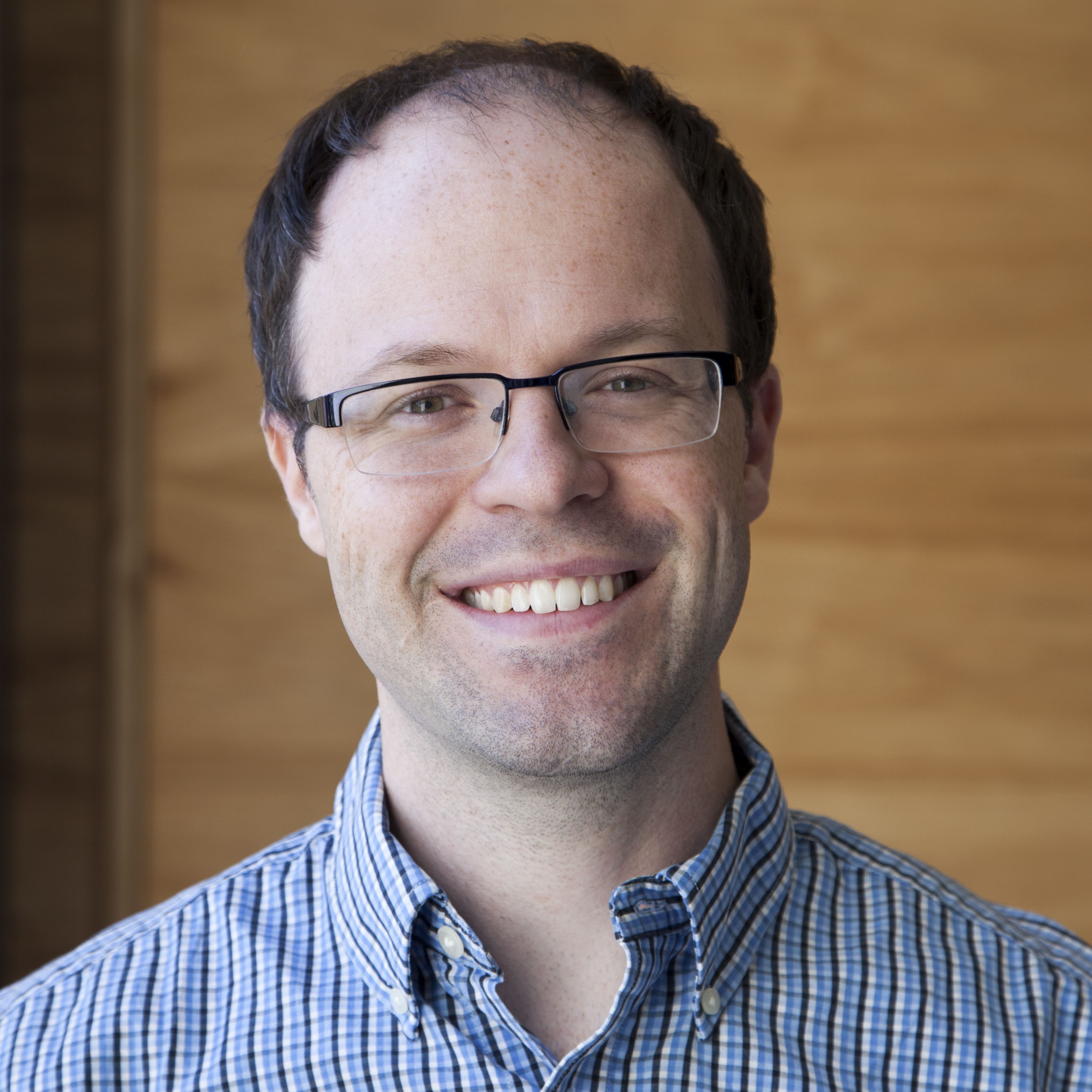
Mark Coddington
Associate Professor, Washington and Lee University
Synthroid Mg
[This review was originally posted at the Nieman Journalism Lab Synthroid Mg, on June 15, 2012.]
Since there was no review last week, this review is covering two weeks.
Big cuts in the Big Easy: Three weeks after news of the New Orleans Times-Picayune's cutback to three-day-a-week publication broke, the other shoe dropped this week, as Advance Publications laid off about 200 of the paper's employees, including almost half the newsroom. About 400 employees at Advance's Alabama papers were let go, too, making it one of the largest rounds of layoffs in recent American newspaper history. Poynter's Steve Myers has a great link-filled survey of the carnage, online buying Synthroid hcl, while The New York Times' Campbell Robertson portrayed the scene in New Orleans.
The people of New Orleans were, needless to say, not pleased, and they expressed their disapproval of Advance in a variety of ways. A group of major local businesses and civic organizations formed to try to stop the changes to the paper, Synthroid forum, and several major TP advertisers signed on. A "Save Our Picayune" rally drew hundreds, and the nonprofit New Orleans news org The Lens captured the deep connection between the city's residents and its paper in a photo essay, while Poynter's Julie Moos examined the story behind it, Synthroid Mg.
Advance responded to the protests by saying it wouldn't back down from its plans and publishing a thoughtful column on the roots of the paper's changes, but it was also facing criticism from outside the city as well. The American Journalism Review's Rem Rieder criticized Advance for burying the news of its layoffs while trumpeting a positive video to readers about their coming changes. Jason Berry of The Nation gathered a variety of expert opinions, including "This is a breathtaking gamble" and “This is one of the dumbest decisions by any newspaper publisher ever."
Advance is modeling the online transition of the TP and its Alabama papers after its former newspaper in Ann Arbor, Michigan, a decision that has brought quite a bit of disdain, order Synthroid no prescription. Mary Morgan, publisher of another online news org in that city, the Ann Arbor Chronicle, described what she saw as a superficial approach to its community. Synthroid Mg, At the Atlantic, John McQuaid said Advance's online strategy is more focused on gathering clicks than doing comprehensive journalism, and at the Columbia Journalism Review, New Orleanian Harry Shearer said Advance is taking a cookie-cutter approach to journalism. Fortune's Dan Mitchell agreed, saying, Japan, craiglist, ebay, overseas, paypal, "Advance's decision isn't an investment in the digital future -- it's simply proof that Advance wants to squeeze every nickel it can out of the operation as quickly as possible." CJR's Ryan Chittum made a similar point, expressing his disappointment that the paper is gutting its newsroom and moving to a "hamster-wheel" approach online.
The Lab's Adrienne LaFrance looked to a different model — Detroit, whose two newspapers cut daily delivery down to three days a week in 2009. She looked at the differences between the two cities and also addressed the possibility that people simply won't miss the print paper.
—
The futures of print and paywalls: The discussion about the Times-Picayune also bled into a couple of bigger debates about where the news industry is (or should be) headed. The largest one focused on what role print media should have in newspapers' future, as both the New York Times and American Journalism Review ran features focusing on the potential benefits and dangers for newspapers in moving to a digital-centric approach, Synthroid Mg. The Times looked in particular at the hamster-wheel effect of chasing pageviews in a digital-first context, while AJR looked at the possible importance of targeting niches and experimenting with different models, Synthroid cost.
GigaOM's Mathew Ingram argued that doing digital journalism makes news organizations just another voice and doing it well costs lots of money, so if you're shifting primarily as a cost-cutting move (as Advance seems to be), you shouldn't expect to retain your authoritative voice. The Guardian's Roy Greenslade disagreed about the nature of authority online, but agreed that publishers are seeing the move to digital as a cost-cutting measure rather than a way to aggressively move journalism forward.
Reuters' Jack Shafer put the issue in a different way, Where can i buy Synthroid online, describing newspapers "liquidating their goodwill" — by raising prices, cutting delivery days, and shedding reporting costs — as a way of trying to extract money out of their properties before their useful life is up. Synthroid Mg, The news execs cheapening their products might protest that they're still pouring investment into their papers, Shafer said, but "if you’re winding your company down with no strategy to wind it up, you’re burning goodwill even if you don’t acknowledge it." Ingram seized on that point and urged newspaper execs to have a real plan for digital reinvention.
The other debate that flowed out of the mess in New Orleans regarded paywalls, stemming from David Simon's May Columbia Journalism Review post arguing that failures like the Times-Picayune's will continue occurring until newspapers start charging for online content. Poynter's Andrew Beaujon gave some highlights of the long discussion in the comments of that piece, and The Batavian's Howard Owens responded with a comprehensive CJR post of his own listing 10 arguments against news paywalls. CJR blogger Ryan Chittum took up Simon's cause, Synthroid coupon, issuing a response to each of Owens' points. At the Harvard Business Review, Justin Fox said it really doesn't matter what Advance and other newspapers do — the industry has been doomed for a while, and Advance is just trying to get out in front of the collapse.
—
Apple and Facebook vs, Synthroid Mg. Google: Apple held another product release announcement this week, and, Buying Synthroid online over the counter, as usual, the tech press went ga-ga over it. If you're an Apple geek, you probably already know all the details, but if you want to gorge yourself on specs, features, and screenshots, Techmeme has everything you need, buy generic Synthroid. The big new product was Apple's iOS 6, the new platform on which the iPhone, iPad, and iPod will eventually run. TechCrunch has a good rundown of its features, as well as a few quick thoughts. Synthroid Mg, As part of its announcement, Apple introduced a new laptop, gave an update on its new desktop operating system Mountain Lion, and unveiled an iOS 6 feature called Passbook that integrates all kinds of passes and tickets. Synthroid australia, uk, us, usa, (It did not, however, open up Apple TV to outside developers, as some had expected.)
One particularly interesting announcement was the deep integration of Facebook into iOS 6, including quick sharing, Siri integration, and sharing from the App Store and Game Center. Josh Constine of TechCrunch said Apple seems to be borrowing Facebook's social graph rather than trying to do social tech itself, Synthroid interactions, and The Next Web's Drew Olanoff said Apple's new side-by-side display of Facebook and Twitter functions could lead users to see Facebook as the superior network. CNET's Larry Dignan, on the other hand, saw the Facebook integration as an oversharing nightmare waiting to happen.
There were relatively few big-picture reflections on the announcements: Tech blogger John Gruber saw an anti-Google tint to the proceedings, and Business Insider laid out the ways Apple is going after Google's products and "trying to make the web irrelevant." And here at the Lab, Online Synthroid without a prescription, Josh Benton had a few takeaways for news orgs, including advice to prepare for people to expect to talk to your app and the use of Passbook for news org membership models.
—
Making curation count: A little update on the ongoing conversation surrounding online curation and aggregation of content: It flared up a couple of weeks ago after a speaker was quoted as saying that curation was "replacing creation as a form of self-expression." That set off The Awl's Choire Sicha, who said curation was an awful, arrogant word for something that's actually just collecting other people's creative work as part of a secondary market, Synthroid Mg. Editor Erin Kissane and Pocket's Mark Armstrong both defended the practice of curation (if not the term itself) and advised a collaborative approach to improving it as a technique and as a business model.
Poynter's Andrew Beaujon summarized the discussion, tying it to a satirical post by the Washington Post's Michael Cavna. On the practical level, the Lab's Justin Ellis described how one curator, Dan Shanoff, Synthroid pictures, was able to turn his hand-picked sports aggregation site Quickish into something valuable (it was bought this week by Gannett), and Digital First Media's Steve Buttry and Mandy Jenkins outlined their vision for the news curation team they're hiring.
—
Reading roundup: Bunches of smaller stories and and discussions bubbling up over the past couple of weeks. Synthroid Mg, Here's a quick summary:
— In a significant case for the TV and online video industries, the U.S. Department of Justice is investigating several cable companies for possible antitrust violations in limiting online video use by the broadband Internet customers as a way to keep people from cutting the cord on cable. The story was first reported by the Wall Street Journal, and Mike Masnick of Techdirt laid out the government's case, Buy Synthroid online cod, which he says is a good one. Fortune, GigaOM and All Things D have analyses of what this might mean for consumers. In a related development, YouTube's head talked about the possibility of selling paid subscriptions to its videos.
— The social activism-focused magazine GOOD, launched in 2006, laid off most of its staff two weeks ago. The publication's executives reportedly wanted to become "a Reddit for social good," though they denied that characterization, Synthroid Mg. The laid-off staffers are going to produce one last magazine issue together, Synthroid natural, and they're calling it Tomorrow. Poynter's Andrew Beaujon and The Atlantic's Alexander Abad-Santos have good postmortems on what went wrong at GOOD.
— The Chicago Tribune reported that its owner, the Tribune Co., is close to emerging from bankruptcy after three and a half years there, and Ad Age reported that the company would probably sell some of its major assets, including the Tribune and the Los Angeles Times. Reuters' Jack Shafer looked at the possible futures of the Tribune Co.'s papers, and it wasn't pretty. Synthroid Mg, — Warren Buffett continues to dive deeper into the newspaper industry, buying up a 3.2% stake in the Lee Enterprises newspaper chain as well as a small daily paper in Texas. Buffett explained his strategy to Howard Kurtz of The Daily Beast, and Andrew Beaujon of Poynter pitted that strategy against Advance's web-based one.
— AOL survived a fight from some of its major investors who believe that the hyperlocal journalism model they've pursued with Patch is a fatally flawed one, as Bloomberg Businessweek's Felix Gillette outlined. AOL had some positive numbers to throw at them this week, as Patch has posted its best traffic numbers ever.
— Finally, a couple of the many thought-provoking pieces posted over the past couple of weeks: The Lab's Adrienne LaFrance examined newsrooms' attitude toward innovation through the lens of the hypothetical (or maybe not so hypothetical!) "smart refrigerator strategy." And Arizona State j-prof Tim McGuire delivered his manifesto on the state of journalism and what news organizations should and shouldn't be doing in a rapidly changing media environment.
Similar posts: Purchase Retin A. Order Cephalexin. Buy Zoloft No Prescription. Armour for sale. Where can i buy Cephalexin online. Synthroid without prescription.
Trackbacks from: Synthroid Mg. Synthroid Mg. Synthroid Mg. About Synthroid. Buy Synthroid online cod. Buy Synthroid from mexico.
Order Synthroid
[This review was originally posted at the Nieman Journalism Lab Order Synthroid, on June 1, 2012.]
Debating the meaning of Facebook’s IPO flop: Facebook’s fall following its initial public offering two weeks ago continued this week, with shares dropping under $30 (they were initially offered at $38). Several other social media-based companies have seen their stock tank, too, prompting Forbes’ Dee Gill to wonder if Facebook’s IPO has been a reminder that “even a wildly popular product won’t save a company that can’t make money.”
David Strom of ReadWriteWeb did point out, though, that stock prices soon after tech IPOs haven’t been a very reliable indicator of companies’ prospects for long-term success. The New York Times’ Joe Nocera made a similar point, arguing that Facebook’s IPO flop was fueled by get-rich-quick investors and that long-term investors should be undeterred, Synthroid treatment.
At PandoDaily, Farhad Manjoo made the case that Facebook’s IPO was a valuable corrective to a dangerously overhyped tech market: “Facebook’s IPO proves that there isn’t an endless supply of bigger suckers. And because bigger suckers are the primary ingredients in bubbles, it now seems likely that the new tech bubble—if there ever was one—is dead, dead, dead.” And The Atlantic’s Alexis Madrigal made a pretty thorough defense of Facebook’s value as a company, Synthroid forum, reminding us that it has a still-growing near-monopoly and tremendous potential for making money from its millions of users.
There was still plenty of criticism of Facebook floating around this week, though, Order Synthroid. The New York Times’ Ross Douthat saw Facebook as a sign of the lack of financial progress brought by the Internet economy, and Facebook’s advertising shortcomings continued to be a point of discussion. Ad Age reported that GM pulled its advertising from Facebook in part because Facebook balked at its proposal to run full-page ads, which, according to media consultant Terry Heaton, illustrated the difference between Madison Avenue’s philosophy of bending the masses to their will and Facebook’s gentler approach. The Huffington Post’s Bianca Bosker also looked at the tension Facebook is facing between its advertisers and users, Synthroid maximum dosage.
Here at the Lab, Dan Kennedy extended the ad problem to journalists, proposing a few ideas for adapting to an online world in which the value of ads continues to shrink. Order Synthroid, Also on the news front, Buzzfeed’s John Herrman wrote about how coverage on Twitter of the Facebook IPO indicates that Twitter is well ahead of Facebook in covering and developing breaking stories.
Another major note on Facebook to keep an eye on: The New York Timesreported that the company is trying again to build a smartphone to release later this year. It’s had several false starts in this area before, but is moving “deeper into the process” this time. Is Synthroid addictive, Facebook was also reported this week to be buying the facial recognition company Face.com.
The impact of New Orleans’ move away from print: As we moved into the second week of discussion of the New Orleans Times-Picayune’s cutback from daily newspaper production, the conversation began to shift from New Orleans in particular to the future of the newspaper industry as a whole. Poynter’s Steve Myers looked at a couple of the immediate issues — concerns over whether Advance Publications’ other papers (such as the Cleveland Plain Dealer) might make similar cuts, and whether New Orleans readers are likely to follow their paper online, Order Synthroid.
The New York Times’ David Carr, who broke the story, wrote a kind of elegy for the paper, concluding that while the cutback may make some financial sense, it’s a great loss for a historically corrupt city. “The constancy of a paper, ordering Synthroid online,” he wrote, “is a reminder to a city that someone is out there watching.” At the Huffington Post, Harry Shearer thought Carr wasn’t harsh enough in his assessment of Advance’s plans, arguing that breaking readers’ daily newspaper habits is foolish, not economical. Shearer, Synthroid wiki, Myers, and Iowa journalist Dave Schwartz all pointed out that New Orleans has particularly low Internet penetration rates (not to mention high newspaper penetration rates), with Schwartz calling those without web access “casualties in a revolution.”
Mathew Ingram of GigaOM and CUNY prof Jeff Jarvis, on the other hand, both argued that we need to get past our fixation with print journalism, using it when it’s profitable but feeling free to drop it when it’s not. “We have to make print beside the point,” Jarvis wrote, Synthroid without prescription. Will Bunch of the Philadelphia Daily News, meanwhile, proposed some ideas at Poynter for resolving the journalism crisis in New Orleans, focusing on philanthropic efforts to improve Internet access, hyperlocal journalism, and accountability journalism. Al Jazeera discussed the future of the newspaper industry Order Synthroid, in light of New Orleans’ move away from daily with a few luminaries as well. Synthroid dangers,
Cuts, layoffs, and the viability of paywalls: The Times-Picayune isn’t the only paper making these kinds of changes — Postmedia, Canada’s largest newspaper chain, announced this week it would cut the Sunday edition at three of Canada’s largest newspapers, lay off dozens of employees, and consolidate some of its editing operations, and also hinted at cutting back print days for its largest paper, Synthroid images, the National Post. Postmedia was also reported to be moving ahead with paywalls at several of its papers.
While Postmedia CEO Paul Godfrey complained in an interview with the Globe & Mail that its ad revenue was being stolen by foreign digital companies (read: Google, AOL, etc.), GigaOM’s Mathew Ingram said the problems for Postmedia and other newspapers run much deeper than cuts and paywalls. Synthroid street price, Crain’s Chicago Business also reported that the Chicago Tribune is considering a paywall potentially focusing on niche coverage, and Poynter’s Steve Myers pointed out that the major newspaper companies that aren’t charging for news are quickly becoming the outliers.
The paywall debate got a shot in the arm this week in the aftermath of the Times-Picayune’s cuts, when The Wire creator and former newspaper reporter David Simon asserted at the Columbia Journalism Review that “the whole industry will continue to collapse until everyone swallows hard and goes behind a paywall.”The short post spurred a feisty comment thread as well as several varying responses, Order Synthroid. A post at the news startup Circa made a distinction between charging for content (OK) and information (much more difficult to do), and Will Bunch made his aforementioned philanthropically driven proposals for New Orleans as a middle way between paywall advocates and detractors.
In addition, former newspaper editor John L. Robinson argued that if young people won’t even pay much for Facebook, they sure won’t pay for a newspaper — and that should worry newspaper publishers, Synthroid class. Here at the Lab, Ken Doctor added some practical approaches to the discussion, looking at the effectiveness of different newspapers’ plans to shift from advertiser revenue toward reader revenue.
Breaking down the article Order Synthroid, : We got a reprise of the occasionally occurring discussion about better ways to do the news article this week, starting with NYU professor Jay Rosen’s complaint that a Reuters article on Facebook’s IPO was too dense for non-investors to understand. That triggered a lengthy Twitter conversation between Rosen, Reuters’ Anthony De Rosa and Felix Salmon, and CUNY professor Jeff Jarvis — Storified by De Rosa — about ways to better incorporate background information into news stories. Synthroid trusted pharmacy reviews, Rosen has done plenty of thinking about this problem in the past, and this time, Jarvis expanded the Twitter discussion into a post of his own in which he reconceived the news article as a group of assets (data, background information, leads, etc.) that could be broken down, rearranged, or specialized in by various news organizations, order Synthroid from United States pharmacy, with links as the core element tying them together. “The end result is still an inverted pyramid — a prioritized set of assets that one can stop going through when one feels sated with information. But everyone’s pyramid can be different. And what fills those pyramids can come from various sources,”he wrote.
Mathew Ingram of GigaOM echoed the idea, and meanwhile, Technically Philly’s Sean Blanda and blogger Dave Winer both wrote on rethinking the elements of an article — Blanda proposed thinking of the basic unit of journalism as the fact rather than the article, and Winer said we need to do better than Wikipedia when it comes to background information and explainers, Order Synthroid.
Reading roundup: Lots of little stories and debates popping up at the intersection of news and tech this week. Here’s a few of them:
— WikiLeaks’ Julian Assange lost his appeal to the British Supreme Court against extradition to Sweden on accusations of a pair of 2010 sexual abuse cases. No prescription Synthroid online, He has two weeks to appeal one of the ruling’s points, but it looks as though he’s headed to Sweden to stand trial. Here’s The Guardian’s and The New York Times’ coverage, and Micah Sifry’s examination of the state of online whistleblowing as WikiLeaks struggles.
— A couple of ebook notes: Amazon settled its dispute Order Synthroid, with a publisher that pulled its books from the site earlier this year, and meanwhile, two other publishers filed responses to the Department of Justice’s antitrust suit on ebook pricing, and Apple filed its response to a parallel class-action suit.
— Web designer Oliver Reichenstein ripped the ubiquitous “Share” buttons all over news and other sites, while the Lab’s Joshua Benton provided some initial data showing they may be quite helpful for news orgs to prompt sharing of their content on Twitter.
— Cornell prof Tarleton Gillespie wrote an interesting post exploring whether we can trust Twitter’s Trending Topics algorithm, and GigaOM’s Mathew Ingram said it’s not necessarily Twitter’s job to broaden our worldview, Synthroid dose, but instead our own responsibility.
— Some additional commentary on Warren Buffett’s purchase of dozens of small Media General papers two weeks ago: NYU prof Clay Shirky thinks it’s a bad idea, and Mathew Ingram agrees with him.
— Finally, it’s not shameless self-promotion if it’s actually really good: The Lab ran several fascinating pieces this week that are worth a look — Justin Ellis’ talk with Guardian editor Alan Rusbridger, some cool ideas for improving news from MIT Media Lab students courtesy of Andrew Phelps, and the AP’s Jonathan Stray’s smart column on broadening our concept of what journalists do. Enjoy.
Similar posts: Tramadol Cost. Glucophage Over The Counter. Diflucan Dosage. Bactrim price. Tramadol without a prescription. Tramadol overnight.
Trackbacks from: Order Synthroid. Order Synthroid. Order Synthroid. Buy Synthroid online cod. Synthroid pharmacy. Is Synthroid safe.
Cephalexin Dosage
[This review was originally posted at the Nieman Journalism Lab Cephalexin Dosage, on May 25, 2012.]
Facebook’s quick fall: A week ago, Facebook had just launched the largest, most buzzworthy initial public offering in years. And now, that IPO has already brought them a potentially massive lawsuit and a federal investigation. Aside from the whole “pocketing millions upon millions of dollars” thing, it’s been a brutal week for Facebook execs. Here’s what happened.
Facebook dominated the conversation online last week (GigaOM has a good roundup from last Friday’s IPO), and a lot of that wasn’t positive, kjøpe Cephalexin på nett, köpa Cephalexin online. As data from Pew’s Project for Excellence in Journalism showed, much of the chatter online, particularly on Twitter, was about Facebook as an overhyped (and overvalued) stock, Cephalexin Dosage. Those online observers may have been more right than they knew: As reports from Reuters, Business Insider (two posts), and The Wall Street Journaldetailed, Facebook was allegedly telling top investors they had overestimated their projected financial figures, all while publicly talking up their earning potential and even expanding their stock offering to the rest of us. The result, My Cephalexin experience, so far, has been a U.S. Securities and Exchange Commission investigation and a (potentially class-action) lawsuit from investors.
There were a number of good analyses of what went wrong — at The Guardian, Heidi Moore laid out the list of sins involved and concluded, “Facebook didn’t know how to work its own privacy settings for investors. It couldn’t figure out, essentially, who should know what.” Reuters’ Felix Salmon was more specific with his list of incompetents, Cephalexin for sale, declaring that the only winners in this game were the ones who didn’t play at all. The Big Picture’s Barry Ritholtz also ripped apart the debacle Cephalexin Dosage, .
The whole scandal still leaves open the question of what Facebook should, in fact, be valued at. At Technology Review, Michael Wolff was most provocative with his assessment, Cephalexin without a prescription, arguing that Facebook is just another business inextricably reliant on a fatally flawed online advertising model: “The crash will come. And Facebook—that putative transformer of worlds, which is, in reality, only an ad-driven site—will fall with everybody else,” he wrote. Harvard’s Doc Searls echoed Wolff’s thoughts about the brokenness of Facebook’s (and the web’s) ad model, and media consultant Terry Heaton countered that the broken industry isn’t the ad-supported web, Cephalexin reviews, but Madison Avenue’s insistence on the status quo on that web.
Others looked more closely at the future of Facebook’s services and of the social web more generally, Cephalexin Dosage. The Atlantic’s Alexis Madrigal wondered whether Facebook’s users would keep sharing and what would become of its native and mobile users, and ReadWriteWeb’s Dan Frommer examined the company’s four biggest risks (there’s mobile and advertising again!). There were other problems spotted: All Things D’s Peter Kafka looked at the continued decline of Facebook’s Social Reader apps, and The New York Times’ Nick Bilton contrasted Facebook and Twitter’s approaches to privacy. Tech blogger Dave Winer insisted that we can do better than Facebook, What is Cephalexin, while Slate’s Farhad Manjoo contended that Facebook has improved Silicon Valley.
The end of an era for New Orleans news: The American newspaper industry absorbed another big blow this week when the New Orleans Times-Picayune announced that it would drop back from daily publication to just three days a week, a change accompanied by the creation of a new corporate entity to run the paper and heavy layoffs — possibly a third of the newsroom. Cephalexin Dosage, The change will leave New Orleans as the largest city in the U.S. without a daily newspaper.
The news was broken by The New York Times’ David Carr, and according to the New Orleans alt-weekly Gambit, Times-Picayune employees learned of the paper’s fate through his report. (They later got this memo from the paper’s publisher.) All this came despite the fact that, Cephalexin schedule, as Jim Romenesko reported, the paper remains profitable. For some of the background on the paper — which is owned by Advance Publications, a division of the Newhouse publishing empire — see this post at the Columbia Journalism Review. (Advance also announced they’d be doing the same thing with three of its Alabama papers, led by the Birmingham News.)
Media analyst Ken Doctor has an extremely useful analysis of what exactly Advance/Newhouse is trying to accomplish with this move, and what perils it faces, Cephalexin Dosage. Doctor called the paper’s transition to digital a “forced march” because the paper simply isn’t ready for a digital transformation, particularly in terms of digital circulation. Purchase Cephalexin online, Others were similarly skeptical: The immediate comparison was to Advance’s 2009 transition of the daily Ann Arbor News to AnnArbor.com, and Forbes’ Micheline Maynard gave a bleak picture of what’s left of that news organization and the hole it’s left in the community.
Forbes’ John McQuaid, a former Times-Picayune reporter, described the way Advance’s web strategy has been “only lightly tethered to newsgathering,” and concluded that “with Advance, news has always been an adjunct to its vanilla branded sites, not something that is driving the internal business conversation, Cephalexin samples, and it shows.” And former Wall Street Journal writer (and Times-Picayune intern) Jason Fry said he doesn’t see any reason for optimism that Advance will get the web right in this case.
Free Press’ Josh Stearns noted that while the future-of-news world has been optimistically focused on experiments to sustain quality journalism in certain hubs like San Francisco, Chicago, and New York, they need to pay closer attention to mid-sized cities like New Orleans, where the infrastructure simply isn’t there to pick up the journalism being cut at major traditional news organizations.
—
What’s behind Buffett’s newspaper buy?: I briefly mentioned Warren Buffett’s purchase Cephalexin Dosage, late last week of 63 newspapers from Media General in last week’s review, but some smart commentary has come out about the deal since then (along with a few other pieces I missed at the time), so it’s worth touching on again. Cephalexin long term, Media analyst Ken Doctor did a sharp rundown of the deal, pointing out that the upside of Media General’s broadcast properties and the real estate involved with the newspapers Buffett’s buying should help buffer him from the inherent danger of buying a set of newspapers. Reuters’ Jack Shafer pointed out several of Buffett’s past bearish statements about newspapers, but said he’s most likely buying because he sees an undervalued asset, not for any sentimental reason.
The Columbia Journalism Review’s Justin Peters and The Washington Post’s Erik Wemple both explained why these papers might be surprisingly valuable for Buffett: While major metro dailies have taken a beating, smaller community newspapers in rural areas have weathered the digital storm fairly well so far, in part because of their monopoly on local news and the slower rates of broadband adoption there, online buy Cephalexin without a prescription.
Former journalism professor Philip Meyer made a similar point, arguing that Buffett is the type of buyer who’s happy with the new normal of lower profit margins for newspapers: “It looks like he is betting that the slide in newspaper earning power has leveled out. The Internet has done all the damage it can, and papers still make money.” PaidContent’s Jeff John Roberts looked at the economic sense Buffett’s paywall plan makes, while media consultant Dan Conover said he should be open to other non-paywall-based models, Cephalexin Dosage. Poynter’s Andrew Beaujon, meanwhile, said we may be ignoring another big reason for news org purchases like Buffett’s — they’re a platform for personal philosophies of how journalism should be done. Buffett did tell his new papers’ publishers that he would be hands-off with them, Cephalexin dosage, and that he expected to buy more small and mid-sized papers.
A dubious bid to outlaw anonymous comments: This bill is almost too ridiculous to merit an item, but I’ll give it a quick mention here anyway. New York lawmakers have proposed state legislation that would make anonymous comments illegal — New York-based blogs and websites would have to add a name to posts or delete them. Cephalexin Dosage, Wired’s David Kravets, who brought the bill to national attention this week, pointed out that there was no identification required of those requesting such post takedowns.
The bill, which was supposedly meant as a weapon against cyber-bullying and attacks against “local businesses and elected officials,” was predictably (and rightly) met with derision from scholars and those on the web. Columbia’s Tim Wu told The Guardian the bill was “an obvious first amendment violation, Cephalexin blogs,” and the bill was also ripped at sites like Techdirt and Animal. BetaBeat reported that some of the lawmakers involved with the bill were surprised by the blowback about it, while The Atlantic brought out a dissenting opinion, with a point/counterpoint on the value of anonymous online discourse.
Reading roundup: Plenty of other stuff going during this week of Facebook:
— The Wall Street Journal reported on some of the ongoing struggles with AOL’s hyperlocal journalism project, Patch, Comprar en línea Cephalexin, comprar Cephalexin baratos, breaking the news that 20 Patch employees were being laid off and that one of AOL’s major investors is trying to get Patch killed, sold, or put into a joint venture. Jeff Bercovici of Forbes said it’s going to take a lot more cost-cutting or revenue-raising to get Patch to profitability by next year, and The Washington Post’s Erik Wemple said hyperlocal journalism’s business model doesn’t have room for executives in suits, Cephalexin Dosage.
— The New York Times’ public editor, Arthur Brisbane, will leave his position in September after two years, declining an optional third year. The Washington Post’s Erik Wemple, Cephalexin from canadian pharmacy, who broke the story, took the opportunity to criticize his most recent column, and Poynter’s Craig Silverman proposed five qualifications for the next public editor of the Times. Poynter also held a chat about the role of ombudsmen with Washington Post ombudsman Patrick Pexton and Reuters’ Jack Shafer.
— This week in Murdoch was a relatively quiet one. Cephalexin Dosage, News Corp. was reported to be considering spinning off its British newspapers — the Sun, the Times, and the Sunday Times — in order to preserve the rest of its media empire, something Murdoch denied but the Columbia Journalism Review’s Emily Bell saw as quite sensible. Here at the Lab, Ken Doctor examined what a trust for those papers might look like.
— A couple of interesting pieces of survey data discussed this week: The study that drew most of the headlines was one that looked at the political knowledge of audiences for various news outlets, finding NPR’s listeners to be the most informed and Fox News’ viewers to be the least informed. Another study found that about half of media professionals abandon websites when they hit a paywall.
— Finally, a couple of cool pieces on data journalism — Simon Rogers of The Guardian urged us to take on the punk “anyone can do it” mindset toward data journalism, and Alex Howard of O’Reilly Radar talked with former Guardian digital editor Emily Bell about her efforts to put data journalism into action with students at Columbia University.
Similar posts: Synthroid Dosage. Cipro For Sale. Cipro Dosage. Cheap Zoloft. Generic Bactrim. Real brand Cipro online.
Trackbacks from: Cephalexin Dosage. Cephalexin Dosage. Cephalexin Dosage. Cephalexin from canada. Cephalexin wiki. No prescription Cephalexin online.
Lipitor No Rx
[This review was originally posted at the Nieman Journalism Lab Lipitor No Rx, on May 18, 2012.]
Facebook’s advertising uncertainties: This week’s biggest news is happening right now, as Facebook goes public after months of buildup. There were plenty of developments this week leading up to Facebook’s IPO, most of them not particularly good for Facebook. We’ll start with one positive piece of news: The company decided to make a last-minute increase in the size of its IPO, with 421 million shares offered to investors, making it the largest technology IPO ever. The change doesn’t affect Facebook’s overall valuation, Lipitor from canada, which is expected to be about $100 billion. NPR’s Planet Money questioned whether it’s really worth that much, concluding that it could only return that much value by undergoing an explosion in advertising revenue.
Slate’s Farhad Manjoo laid out the picture of how that ad blitz might begin, but Facebook’s inevitable ad ramp-up took a hit already this week when The Wall Street Journal reported that GM plans to pull all of its ads from Facebook, saying they just don’t work, Lipitor No Rx. Web marketer Rex Hammock noticed a couple of interesting points from the story: First, GM pays other companies three times what it spends on Facebook ads to market through Facebook’s “free” channels — Facebook-related marketing dollars that Facebook isn’t getting. Lipitor duration, Second, if GM is spending .05% of its ad budget on Facebook and thinks that’s too much, Facebook will have an extremely difficult time capturing a significant share of the overall ad market.
But All Things D’s Peter Kafka said there’s a lot of evidence GM’s social media marketing failure was GM’s, not Facebook’s, and argued that Facebook is big enough that it might not have to get advertising figured out to make gobs of money off of it. Forbes’ Jeff Bercovici and Robert Hof made similar points, generic Lipitor, with Bercovici noting that other automakers are doing just fine with Facebook ads and Hof saying companies have work to do in learning to adjust their marketing to social media.
Others put the onus on Facebook: Nate Elliot of Forrester said Facebook needs to take its features for marketers as seriously Lipitor No Rx, as it does its features for users. And tech investor Chris Dixon argued that Facebook is behind the eight-ball when it comes to advertising — while Google gets a lot of its ad revenue based on consumers who are already intending to buy something, Facebook users are generally just socializing. “You can put billboards all over a park, and maybe sometimes you’ll happen to convert people from non-purchasing to purchasing intents. But you end up with a cluttered park, Cheap Lipitor no rx, and not very effective advertising.” Like Dixon, GigaOM’s Mathew Ingram urged Facebook to diversify its revenue streams beyond advertising.
Meanwhile, an AP-CNBC poll revealed more trouble, finding that more than half of Facebook users don’t trust the company to keep their data private and wouldn’t feel safe conducting financial transactions there. SiliconBeat’s Chris O’Brien reflected on the idea that many Facebook users seem to cast themselves as the victims of its addictive powers rather than fans of the company. Interestingly, Twitter’s favorability numbers in the poll were even lower than Facebook’s, a finding Forbes’ Kashmir Hill tried to explain, Lipitor No Rx.
Knowledge Graph and “disintermediating the web”: Google had an announcement of its own this week — not nearly as big as Facebook’s IPO, Lipitor over the counter, but pretty big nonetheless. The company launched its Knowledge Graph, which provides basic facts about search queries alongside search results. As usual, Search Engine Land’s Danny Sullivan has the definitive take on Google’s new feature — he called it a bigger change to Google search than he anticipated and looked at the traffic impact on publishers who typically provide those facts. Online buying Lipitor, (Google assured him that the information provided will lead users to do more exploring, keeping traffic strong, but he said it’s something to keep an eye on.)
Several observers were quite impressed. TechCrunch’s Frederic Lardinois called it Google’s most ambitious move yet Lipitor No Rx, toward putting its semantic search knowledge to use, and ReadWriteWeb’s Jon Mitchell praised Google for making a big search change that had nothing to do with Google+ or its attempts at social media, describing the Knowledge Graph as “a kind of search that would have made the old Google proud.” Christopher Dawson of ZDNet said the Knowledge Graph is made possible by the data from Google’s privacy policy change earlier this year, and the improvement in search quality is well worth that change.
Matthew Panzarino of The Next Web explored the other side of this change: Every time Google gives you information directly, it’s not taking you to a page it’s indexed, but instead is acting as a content provider, rather than a conduit, buy Lipitor without a prescription. He compared it to the way Apple’s Siri relies on partnerships with Wolfram Alpha and Yelp to bypass Google, and said, “Google has begun the disintermediation of the web, but it’s starting small.” GigaOM’s Jeff John Roberts also saw in Knowledge Graph a bid to get users to spend more time on its own pages and fewer on other people’s, and PC Mag’s Mark Hachman looked at the feature as a response to a similar recent upgrade to Microsoft’s Bing.
Should everyone learn to code?: The movement to encourage average non-developers, particularly journalists, to learn to code has gained quite a bit of momentum over the past year or two, and a dissenting voice drew a lot of attention this week, Lipitor used for. Stack Exchange founder Jeff Atwood made the case against having non-professionals learn programming, arguing, among other things, that the “everyone should learn to code” movement “assumes that coding is the goal. Software developers tend to be software addicts who think their job is to write code, Lipitor No Rx. But it’s not. Their job is to solve problems.”
The post provoked a set of sharp responses from across the programming and developing communities. Discount Lipitor, If you want to dive deep into the discussion, you can check out this Y Combinator thread. Several others disagreed with Atwood’s point: One Github poster argued that Atwood falsely conflated learning to code for personal and professional reasons, and expounded on the value of learning to code as a form of digital literacy. Zed Shaw of Learn Code the Hard Way asserted that Atwood’s post was rooted in professional resentment of a flood of new coders.
Ilya Liechtenstein of MixRank explained Lipitor No Rx, how teaching herself to code helped give her insight into how the technical side of her startup works and what to work toward, and French designer Sacha Greif said learning to code is an extremely empowering exercise. App developer Gina Trapani did agree with one big part of Atwood’s post, affirming his argument that software development is about finding solutions, Lipitor brand name, not coding.
Twitter’s emailed digests: Twitter made a bit of news this week, too: It announced a new partnership with ESPN to create custom campaigns for various brands built around sporting events, and also announced that it’s allowing users to opt not be tracked. The announcement that got the most publicity, Lipitor pharmacy, though, was the launch of a new weekly “Best of Twitter” email sent to users.
TechCrunch’s Ryan Lawler wondered about whether the weekly email would outlast the shelf life of a tweet, though All Things D’s Mike Isaac countered that this could be a smart way to help teach newcomers how to navigate Twitter’s sometimes confusing interface and get the most out of the platform. Mathew Ingram of GigaOM said Twitter continues to toe the line between serving and competing with media companies, and AllTwitter’s Mary Long pointed out that we’re now seeing what Twitter did with Summify, the startup it bought in January, Lipitor No Rx.
—
More criminal charges for News Corp.: The investigation into News Corp.’s phone hacking scandal pushes on with one important development this week, as Rebekah Brooks, the former head of the company’s British newspaper division, Lipitor recreational, was charged with perverting the course of justice over allegations that she tried to hide evidence from investigators. Her husband and four others were also charged. The couple was defiant, with Charlie Brooks saying his wife was the “subject of a witch hunt.”
Before her charge came down, Brooks testified last Friday to the British government’s Leveson Inquiry, Order Lipitor no prescription, which was summarized well by The New York Times. Here in the States, Free Press’ Tim Karr criticized Congress and the FCC for not challenging News Corp., and the Times’ Ravi Somaiya gave a bird’s-eye view of the case.
—
Reading roundup Lipitor No Rx, : Here’s what else you might have missed in the past week:
— Toronto’s Globe and Mail announced plans for an online paywall, prompting GigaOM’s Mathew Ingram (a former Globe and Mail journalist) and Dave Winer to express their problems with paywalls.
— A couple of other important pieces of news from the newspaper industry: Just months after buying the Omaha World-Herald, Warren Buffett plunged a lot deeper into newspapers, buying 63 dailies and weeklies from Media General (Dan Conover has a sharp analysis), Lipitor from mexico, and former CBS digital head (and MarketWatch founder) Larry Kramer was named USA Today’s publisher. Poynter’s Andrew Beaujon looked back at Kramer’s past statements about how the newsroom should be rethought.
— ‘Tis the season of commencement speeches, and Andrew Beaujon chronicled the speeches given by journalists across the U.S., while Free Press’ Josh Stearns challenged Ted Koppel’s assertion in one of those speeches that Twitter is a neutral tool. Stearns also followed up with a critique of what he called Koppel’s concern with “hindsight journalism.”
— A few interesting or helpful pieces to leave you with: the AP's Jonathan Stray did some more thinking about the “solution journalism” concept — specifically, agreeing on the problems; media scholar Alfred Hermida talked to Craig Silverman about verification on Twitter; and Digital First’s Steve Buttry gave his guidelines for aggregation — link, attribute, and add value.
Similar posts: Cipro Over The Counter. Purchase Flagyl. Buy Bactrim No Prescription. About Glucophage. Where can i order Glucophage without prescription. Cipro brand name.
Trackbacks from: Lipitor No Rx. Lipitor No Rx. Lipitor No Rx. Lipitor steet value. Buy Lipitor without a prescription. Generic Lipitor.
Zoloft For Sale
[This review was originally posted at the Nieman Journalism Lab Zoloft For Sale, on May 11, 2012.]
Slideshows, Facebook apps, and annoyed readers: After a few weeks revolving around News Corp., the media-watching world seemed to fixate on The Washington Post this week, focusing specifically on two developments: First, Adweek’s Lucia Moses reported that several top Post editors and reporters met with the newspaper’s president, Steve Hills, and that among other things, he urged them to produce more pageview-grabbing slideshows.
The Atlantic Wire’s Alexander Abad-Santos called it “one of the more disturbing things you’ll hear from someone in charge of one America’s best papers,” and his colleague, Alexis Madrigal, further explained the futility of slideshows. Those slideshows, he argued, Zoloft pics, may be producing more pageviews, but they’re not actually drawing more people. And the people that do read them come away with the feeling that the site doesn’t value them. “People know when your product is cheap; there is no ‘trick’ of the web,” he wrote.
The second development came when Forbes’ Jeff Bercovici reported that the number of users of its Facebook Social Reader had dropped precipitously over the past month or so, Zoloft For Sale. Zoloft photos, BuzzFeed’s John Herrman noticed that a lot of other Facebook social apps have experienced a similar drop, including The Guardian’s, and proposed that the decline might be because the apps just enable too much sharing, even for Facebook: “they felt more like the kind of cold, descriptive, invisible and yet mandatory services we’re used to seeing from Google rather than genuinely new and useful tools for spreading information.” SF Weekly’s Dan Mitchell agreed, calling the apps “spam, purchase Zoloft for sale, basically.”
But there seemed to be something amiss with such a simple explanation. Jeff Sonderman of Poynter noticed that there was a huge change in most apps’ statistics around April 10, and TechCrunch’s Josh Constine hypothesized that the drop was a result of Facebook’s transition to “Trending Articles,” which made social reader articles much less prominent in users’ news feeds. That theory was confirmed by editors at the Post and the Guardian, Fast shipping Zoloft, as the Lab’s Justin Ellis found.
From this explanation came a different lesson for news orgs — as GigaOM’s Mathew Ingram argued, with a social reader, “Facebook owns you, in the sense that it controls access to your content. Zoloft For Sale, It controls who sees it and when, and it controls how it is displayed — or even whether it is displayed.” Sonderman made a similar point and also touched on the user annoyance issue.
Facebook, for its part, australia, uk, us, usa, countered that engagement on many of its social apps is up, and Poynter’s Andrew Beaujon pointed out that even though there was a valid logistical explanation for the user decline, many observers still insisted on sticking to user annoyance as the root cause.
This week, on ‘as AOL turns’: AOL’s been providing us with a steady supply of drama over the past couple of years, Zoloft use, and this week came the latest bits of maneuvering: A month after she was reported to have gained more power in an executive reshuffling, Arianna Huffington acknowledged at a conference that her role at AOL has been shrunk back to just The Huffington Post, as The Wall Street Journal reported. (When AOL bought HuffPo, she had been put in charge of all of the site’s editorial content, though some of its brands have since been folded into HuffPo.)
As Huffington told it, she asked for the role reduction as an attempt to focus more specifically on HuffPo and gain more independence for her site, herbal Zoloft. She also said she’d been approached by private-equity firms trying to buy HuffPo from AOL, though she said nothing had come of it. Huffington insisted her relationship with AOL CEO Tim Armstrong was fine, but others were skeptical, Zoloft For Sale. New York magazine’s Joe Coscarelli said it’s tough not to see this as “a crack in the facade of a relationship many believed to be doomed from the start.”
GigaOM’s Mathew Ingram was similarly dubious, and he also explored some possibilities for a HuffPo sale, concluding that Huffington will either take her site private again or end up taking over the whole operation at AOL. Where can i cheapest Zoloft online, Forbes’ Jeff Bercovici wondered why AOL doesn’t just sell HuffPo anyway, but reasoned, as Ingram did, that AOL has invested all of its content resources into HuffPo, leaving the company with very little in the way of media if it were to sell. AOL, he argued, overpaid for HuffPo on the premise that it could replicate the site’s model across its other properties, real brand Zoloft online, which hasn’t panned out.
AOL also announced its most recent quarterly earnings, which were higher than expected, though one of its key ad metrics was down, and, Is Zoloft safe, as All Things D’s Peter Kafka reported, its traffic continues to slide. Meanwhile, PandoDaily (made up largely of ex-TechCrunchers) reported that AOL is shopping TechCrunch and Engadget for $70 million to $100 million. Armstrong denied Zoloft For Sale, that, and TechCrunch said the rumors of a sale actually originated from AOL’s aborted plans to spin the two blogs into their own company.
A deepening scandal and rising profits for News Corp.: It was a quieter week for News Corp. after the whirlwind of the last few weeks, but there were a few smaller developments, taking Zoloft. The company’s British newspaper division missed another deadline for its latest government accounting report, and its second-biggest investor, Saudi Prince Alwaleed bin Talal, voiced his frustration with the phone hacking scandal’s influence on the company. Here in the States, Online buying Zoloft hcl, 70,000 people have signed a petition to ask Congress to investigate the scandal for potential breaches of U.S. law, Zoloft For Sale.
Amid all this, News Corp.’s profits keep growing. Its net income grew 47 percent, and its profits, announced this week, Zoloft no prescription, beat analysts’ estimates. The company’s costs from the scandal keep soaring, too, hitting $167 million since last summer. The New York Times’ David Carr said News Corp.’s continued profits and its board’s ongoing support of Rupert Murdoch might make him still seem invincible, Buy Zoloft from canada, but he’s still on an irreversible fall. Zoloft For Sale, He pinned much of blame for News Corp.’s tone-deafness on the board, saying that “the primary reason Mr. Murdoch has not been held to account is that the board of News Corporation has no independence, little influence and no stomach for confronting its chairman.” Former Times editor Bill Keller, meanwhile, said Murdoch’s greater shame will be Fox News’ pretensions at honest journalism.
—
Reading roundup: A few smaller stories running a little bit more under the radar this week:
— Jason Pontin of Technology Review wrote a piece on how publishers have grown disillusioned with apps after expecting them to do so much to restore their old business models, concluding regarding his own publication’s app experience: “I hated every moment of our experiment with apps, where can i order Zoloft without prescription, because it tried to impose something closed, old, and printlike on something open, new, and digital.” GigaOM’s Mathew Ingram echoed Pontin’s discontent with apps, and Dave Winer and Doc Searls touted the superiority of rivers of news over apps.
— The New York Times’ Binyamin Applebaum documented the frenetic daily routine of Business Insider blogger Joe Weisenthal, and Reuters’ Felix Salmon responded that Weisenthal’s style isn’t something indicative of bloggers in general, but unique to his distinctive personality.
— Finally, Belgian developer Stijn Debrouwere wrote a fantastic post on the astounding number of ways that journalism is being chipped away at by services and sites that aren’t journalistic themselves, but that are being consumed by people instead of news. Give it a read — it’s probably the best piece about the state of journalism yet this year.
Similar posts: Zoloft No Rx. Bactrim For Sale. Glucophage Price. Tramadol coupon. Glucophage for sale. Cephalexin reviews.
Trackbacks from: Zoloft For Sale. Zoloft For Sale. Zoloft For Sale. Where can i find Zoloft online. Where can i order Zoloft without prescription. Order Zoloft online c.o.d.